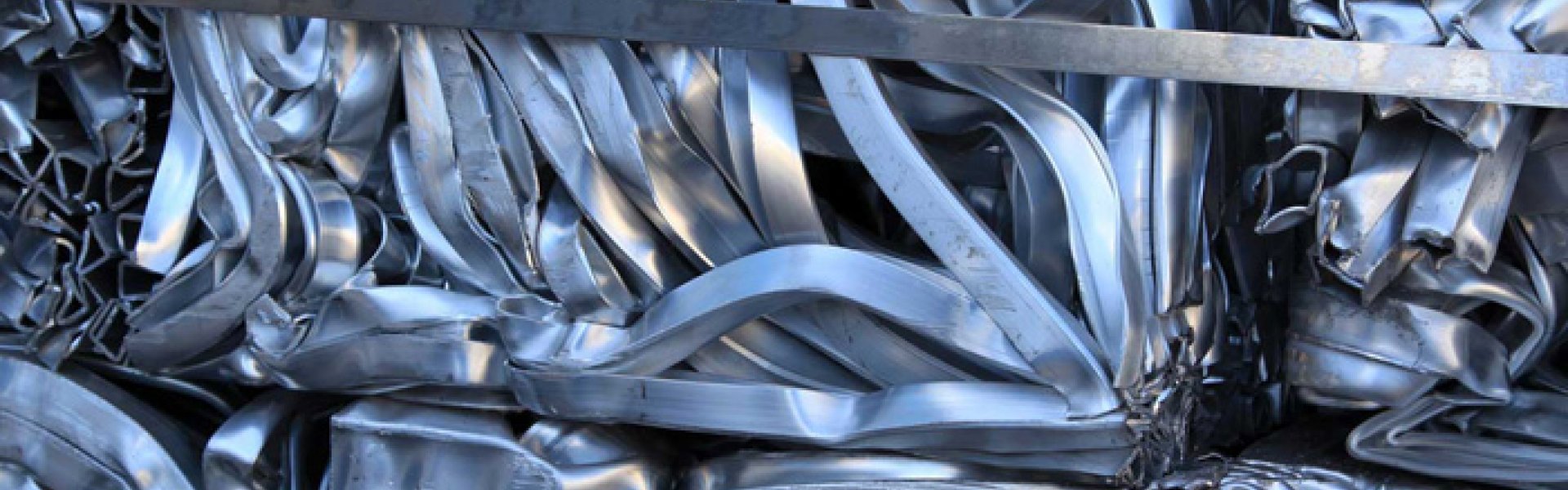
Scrap metal is the general term for materials collected, sorted, and remelted into raw material for the recovery of ferrous and non-ferrous metals (aluminum, copper, brass, stainless steel, lead, zinc, etc.). At Metko Export, we supply scrap metal to both domestic and international markets with the principles of consistent quality, transparent analysis, and secure logistics.
Ferrous
HMS 1/2 (80:20, 70:30) – Heavy and mixed scrap (ISRI 200–206)
Shredded 211 – Shredded steel scrap (uniform size)
PNS / Plate & Structural – Plates and profiles (ISRI 231–233)
Busheling – Punchings and factory off-cuts (ISRI 209–210)
Turnings/Borings – Machine shop turnings (ISRI 248–252)
Tinplate – Tin scrap (ISRI 207–208)
Non-Ferrous
Copper: Berry (bright wire), Candy (bars/bus), Birch/Cliff (mixed)
Brass: Honey (yellow brass), Ebony, etc.
Aluminum: Taint/Tabor (mixed cast-sheet), Tread (wheels), Talk (wire)
Stainless Steel: 304/316 mixed and classified
Lead, Zinc (Zamak/Die-cast), Cable Scrap (copper/aluminum conductors)
Depending on your needs, single grade or customized mix loading is available.
Radiation: No NORM/contamination, checked at entry/exit with portal and handheld devices.
Moisture / Dirt / Waste: Target 1–2% for ferrous; varies by material for non-ferrous.
Prohibited contents: Pressurized containers, sealed drums, explosive/flammable, medical waste, PCB equipment, oily/chemical residues, batteries (except lead scrap), radioactive or hazardous waste not accepted.
Sizing: Shear cut/bale/shred sizing suitable for your melting furnace.
Analysis:
For non-ferrous: PMI/spectrometer and sampling report
For ferrous: magnet test, density, visual contamination control
Bulk, bales, jumbo bags, bundles
Containers: 20’ (25–28 t net), 40’HC (24–26 t net; depending on grade)
Bulk vessel: For large tonnage lots, port loading (LOA/air-draft compliant)
EXW / FCA / FOB / CFR / CIF – according to Incoterms 2020
Road-Sea combinations, door-to-door delivery options
Insurance: Institute Cargo Clauses (A) / (B), with War & SRCC extensions if required
Commercial Invoice, Packing List, Certificate of Origin
Radiation Clearance/Detection Report, photo/video loading report
ISRI classification declaration, customer spec approval
HS Codes (examples):
7204 (Ferrous scrap)
7404 (Copper scrap and alloys, incl. brass)
7602 (Aluminum scrap)
7802 (Lead scrap) – 7902 (Zinc scrap)
Environmental and transit: Compliance with Basel Convention requirements; EHS regulations of the importing country considered.
Market indexes: LME (Cu/Al/Zn), regional HMS Indexes (e.g. TR import), ShFE
Quality and content, contamination, sizing/preparation
Tonnage and loading mode, freight based on season and route
Payment: T/T (advance-balance), L/C at sight, D/P – depending on buyer profile
Inquiry & Specs: ISRI grade, tolerances, target tonnage, delivery terms
Offer: Validity, size/packing, freight included/excluded clear offer
Sample/Photo-Video (site inspection if required)
Contract: INCOTERMS, delivery schedule, payment terms
Loading & QC: Weighing, analysis, radiation report, seal photos
Documentation & Shipment: Submission of original documents, online tracking
Minimum order quantity?
Typically 22–28 tons in container shipments, 1,000+ tons for bulk vessel shipments.
Can I buy mixed scrap?
Yes; but each grade is packed separately and clearly listed in the packing list.
Is pre-loading inspection possible?
Yes. Coordinated with independent inspection companies (SGS/Intertek, etc.).
How is radiation control performed?
At yard exit, portal scanning + handheld device spot checks; documented in report.
Transparent quality control: photo/video, analysis reports, clear tolerances
Strong supply network: continuity guarantee and scalable tonnage
Logistical flexibility: container, bulk, multimodal solutions
Competitive pricing: index-based, traceable offer methodology

© Copyright 2025 | Metko Gıda İthalat İhracat Ve Ticaret Limited Şirketi | All Rights Reserved